Toys That Squish, Squeeze, and Stretch
The toy aisle has become a tiny nervous-system spa.
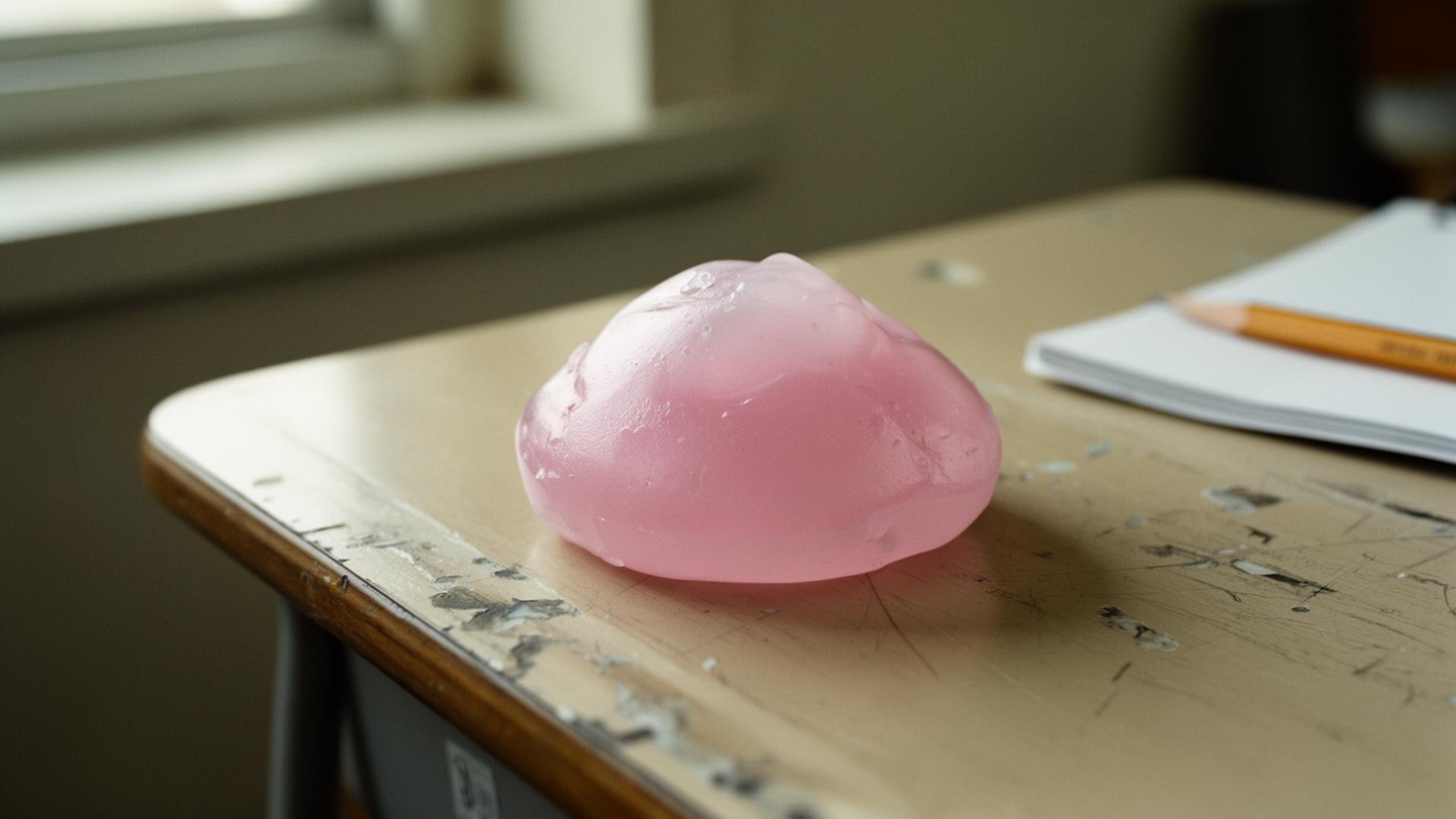
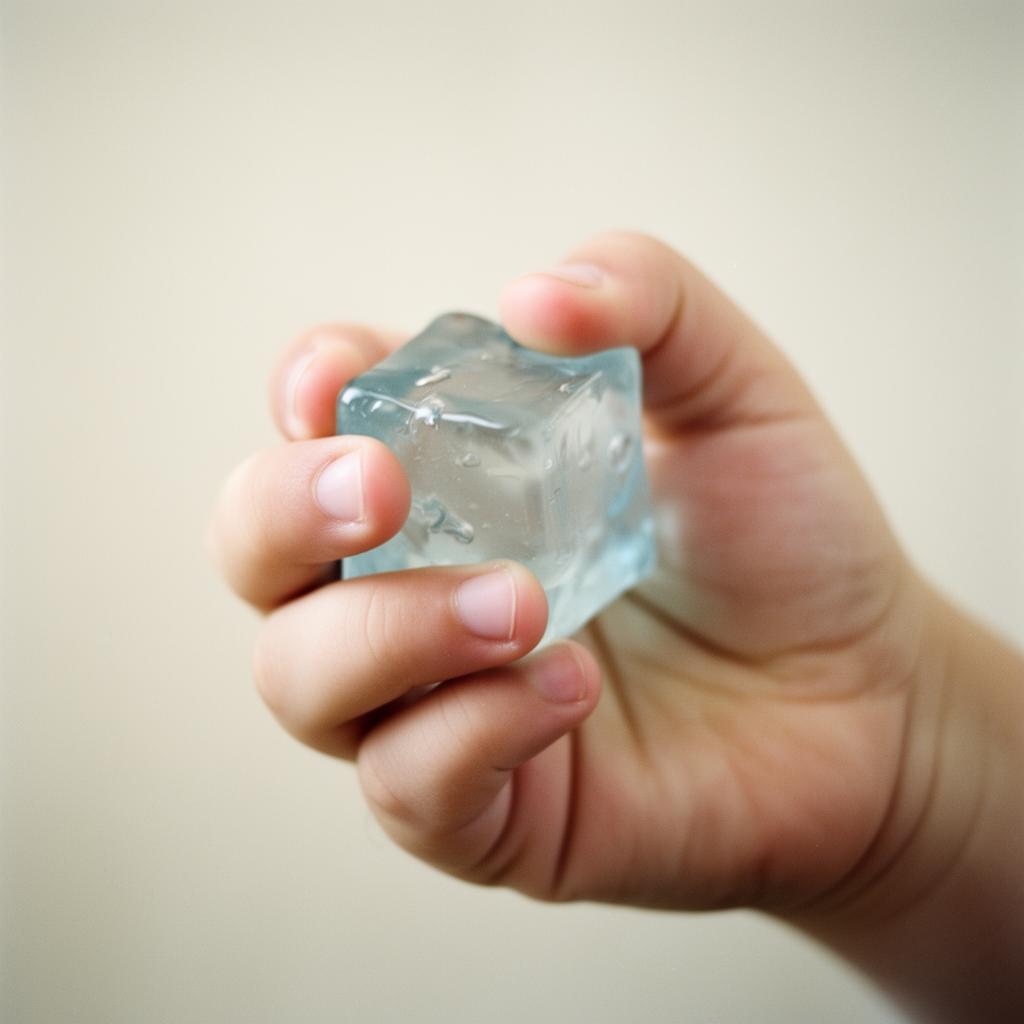
THE SQUEEZE AS RESET
A small private way to come back down.
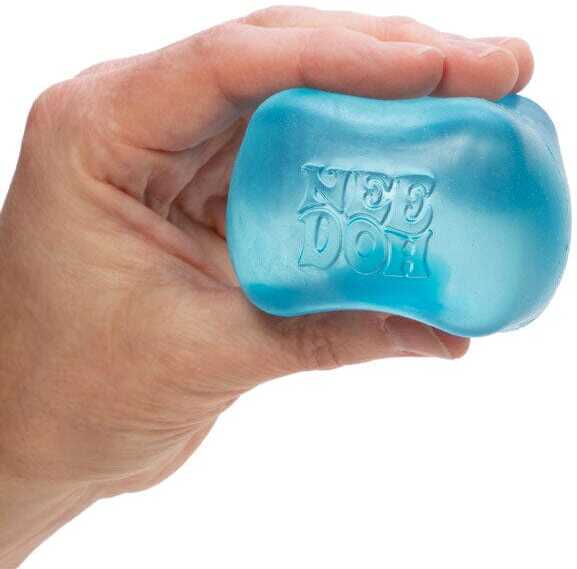
THE WAITLIST BLOB
A tiny stress object with waitlist energy.
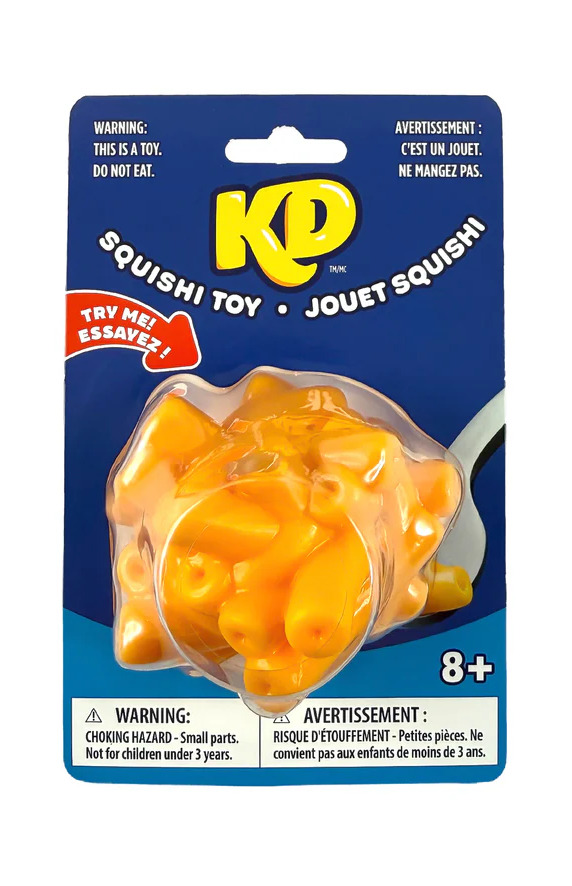
THE DO-NOT-EAT COMFORT OBJECT
It borrows the colour of dinner, then reminds you it is absolutely not dinner.
IN SHORT
These toys are not really about play. They reveal a growing need for small, private moments of calm in a world that keeps asking people to self-regulate.
Spotting the signal is one thing. Revealing the meaning underneath is where the useful work begins.
A quick read of what is showing up, what it reveals, and where it points.
SIGNAL
What is showing up.
Squishy, slow-rising, jelly-textured toys are spreading from the toy aisle into backpacks, classrooms, and TikTok feeds.
NEED
What people are really reaching for.
Kids are reaching for grounding, control, escape, and reassurance, small ways to self-regulate without needing language, permission, or performance.
READ
What it reveals.
This is not really about another toy. It is about the need for low-pressure ways to come back down to earth.
MOVE
What to do with it.
Design quiet, tactile, non-performative moments, products and spaces that ask almost nothing in return.
●THE MODERN BEING READ
What this signal really reveals.
The squish is not the point. The exhale is.
Squishy toys work because they ask almost nothing from kids. No rules. No score. No tutorial. No performance. Just a soft, strange little object that gives the nervous system somewhere to go.
This is not really about another toy. It is about the growing need for small, private moments of regulation, especially for kids moving through noise, screens, school pressure, social pressure, parent-schedule pressure, and the low-grade chaos of being constantly stimulated.
The appeal is not just cuteness. It is control without effort. A tiny pause that fits in a palm, a backpack pocket, or the corner of a desk.
 FULL DECODE/SIGNAL 002
Toys That Squish, Squeeze, and Stretch
The toy aisle has become a tiny nervous-system spa.
The deeper read on what is driving this shift, and what it means for brands, teams, and decisions.
01. WHY NOW
The cultural ignition making this signal louder right now.
Kids are not just playing with squishy toys because they are cute. They are using them because modern childhood has become overstimulating, scheduled, screen-heavy, and emotionally loud.
School pressure, classroom noise, constant notifications, algorithmic entertainment, parent logistics, and always-on screens have made calm feel like something kids have to find in tiny pockets.
Squishy toys work because they turn regulation into something simple and private. No explanation. No performance. No app. Just texture, pressure, slow movement, and a little sensory reset.
Need is the emotional engine: grounding, control, reassurance, relief.
Why Now is the cultural ignition: kids and teens are growing up in environments that ask them to self-regulate constantly, but rarely give them quiet, low-stakes tools to do it.
02. WHAT IT REVEALS
The meaning underneath the surface behaviour.
Squishy ASMR toys are not winning because kids need another collectible blob.
They are winning because they tap into a deeper emotional need: small, safe, low-pressure moments of retreat.
03. WHAT PEOPLE ARE REACHING FOR
The emotional pull underneath the behaviour.
Children and teens are growing up in a world where calm is becoming a commodity.
Squishy ASMR toys offer tiny moments of control, texture, sound, and decompression. They are not really saying “play with me.” They are closer to: “let me regulate without explaining myself.”
04. MARKET CUE
One proof point from the wider world.
global fidget toys market size in 2024.
SOURCE: CREDENCE RESEARCH, 2024
05. SEEN IN THE WILD
Brands, products, and behaviours already tapping in.
- 01NEEDOH NICE CUBEJelly-textured stress cube with a near-permanent waitlist.
- 02JELLYCAT AMUSEABLESPlush food objects bought as adult desk comfort, not toys.
- 03SMOOSHO'S JUMBO PLUSHPillow-sized squishables marketed for sensory regulation.
- 04KRAFT DINNER SQUISHYCPG brand collab turning a pantry icon into a fidget object.
- 05ASMR FIDGET TIKTOKTag with billions of views built around quiet, tactile loops.
06. WHERE TEAMS CAN MOVE NEXT
Field notes for translating the signal into work.
- MV01
Design small moments of regulation.
Quiet, low-effort moments help people reset before they have to perform, decide, or engage. The brands that build these in feel calmer to be with.
APPLIES TOWAITING ROOMS · HOTEL CHECK-IN · RETAIL COUNTERS · ONBOARDING FLOWS - MV02
Make texture part of the experience.
Sensory cues, weight, softness, drag, click, make a brand feel human without saying a word. Texture is one of the fastest ways to register care.
APPLIES TOPACKAGING · MENUS · APPOINTMENT CARDS · SAMPLE KITS · UNBOXING - MV03
Borrow the memory, not the confusion.
Familiar shapes, colours, and textures unlock instant recognition. But cues borrowed from food or childhood need a clear frame so the joke lands before the literal reading does.
APPLIES TOPRODUCT DESIGN · NAMING · RETAIL MERCHANDISING · BRAND COLLABS - MV04
Build pauses into overstimulating environments.
Busy spaces can quietly offer somewhere to land, a tactile object, a softer corner, a slower step. Small decompression points reduce friction without adding signage.
APPLIES TOAIRPORTS · CLINICS · CLASSROOMS · EVENTS · SERVICE SPACES
07. FINAL TAKEAWAY
The sentence to walk away with.
The opportunity is not to make everything playful. It is to make small moments of calm easier to reach.
Send this to someone who will get it.
●WORK WITH US
Trying to understand what your audience is really asking for?
We help turn cultural signals into clearer decisions, sharper stories, and more human ideas.