Analog Comebacks
The more life moves online, the more a scratched record, a scribbled note, and a camera click feel like luxury.
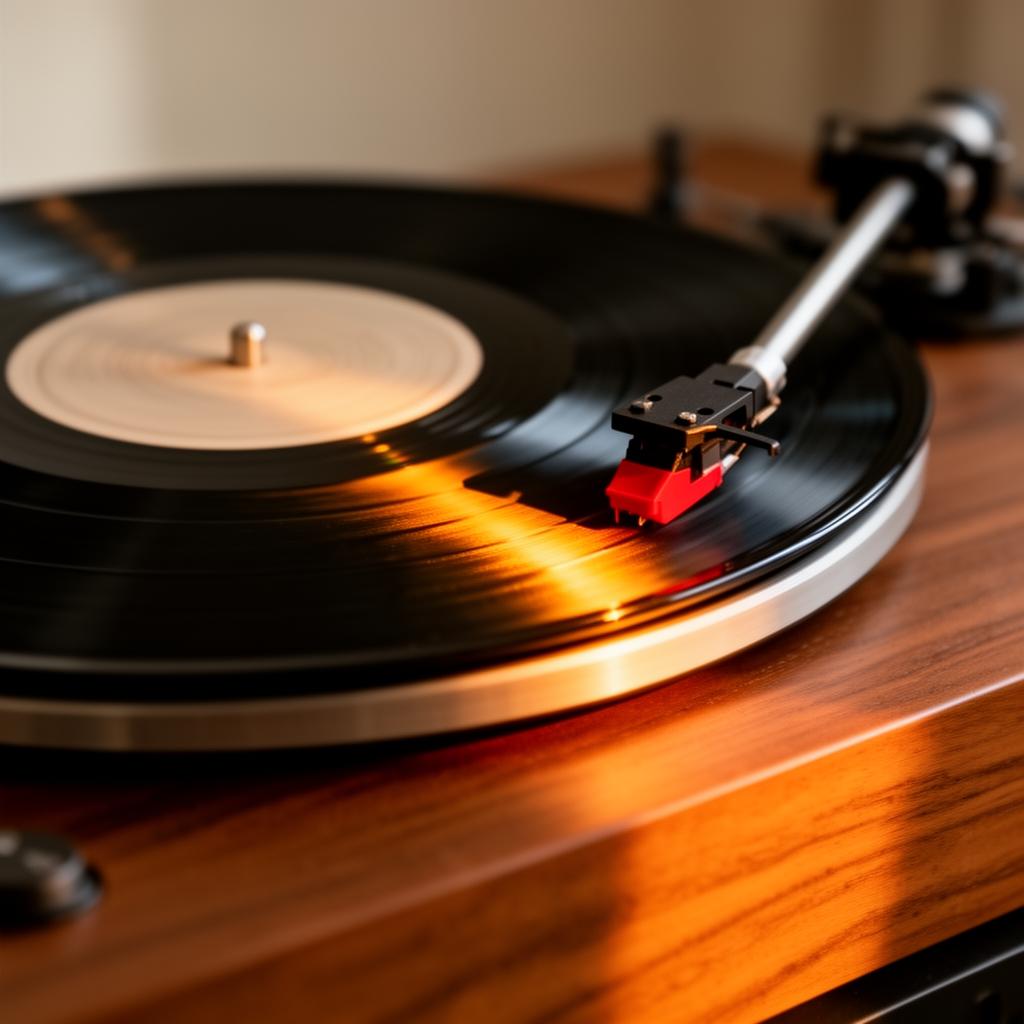
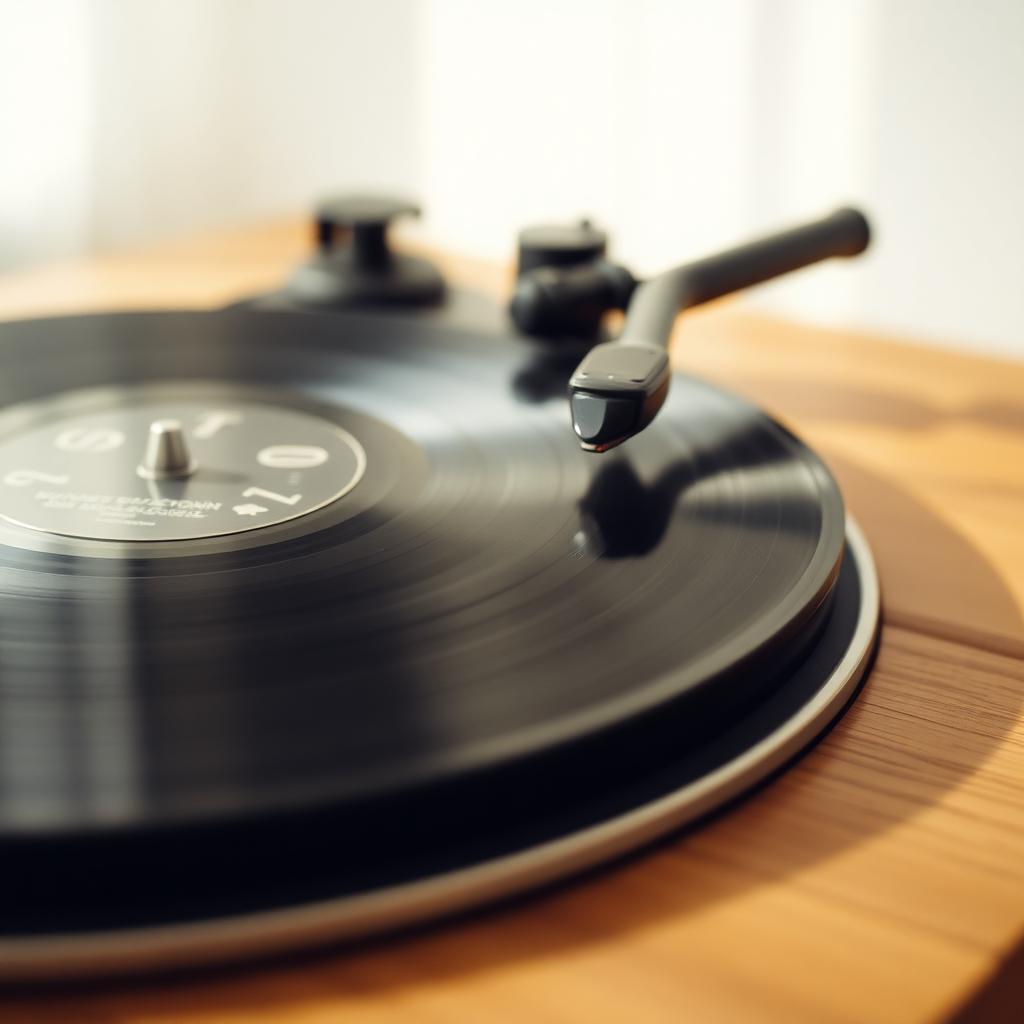
VINYL AS RITUAL
Music you can touch before it disappears.
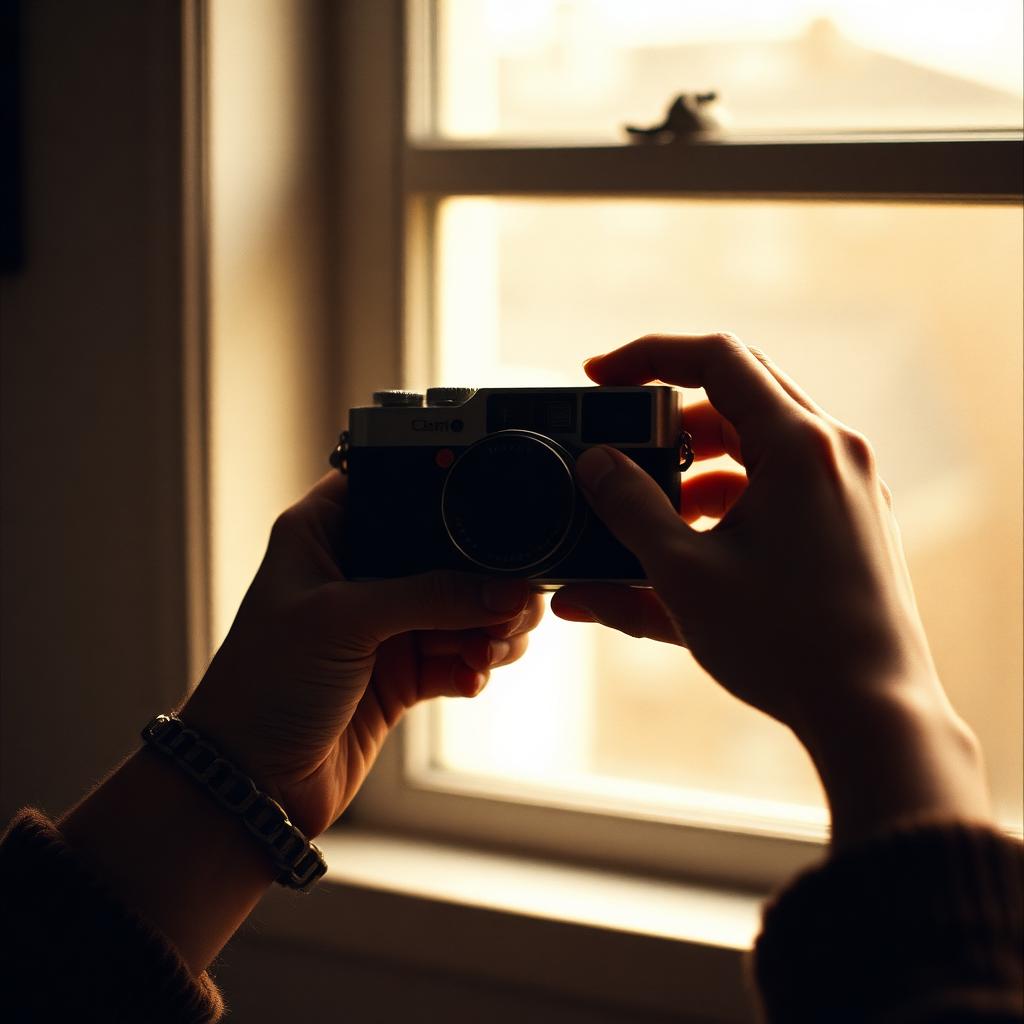
FILM AS FRICTION
A slower way to make a moment matter.
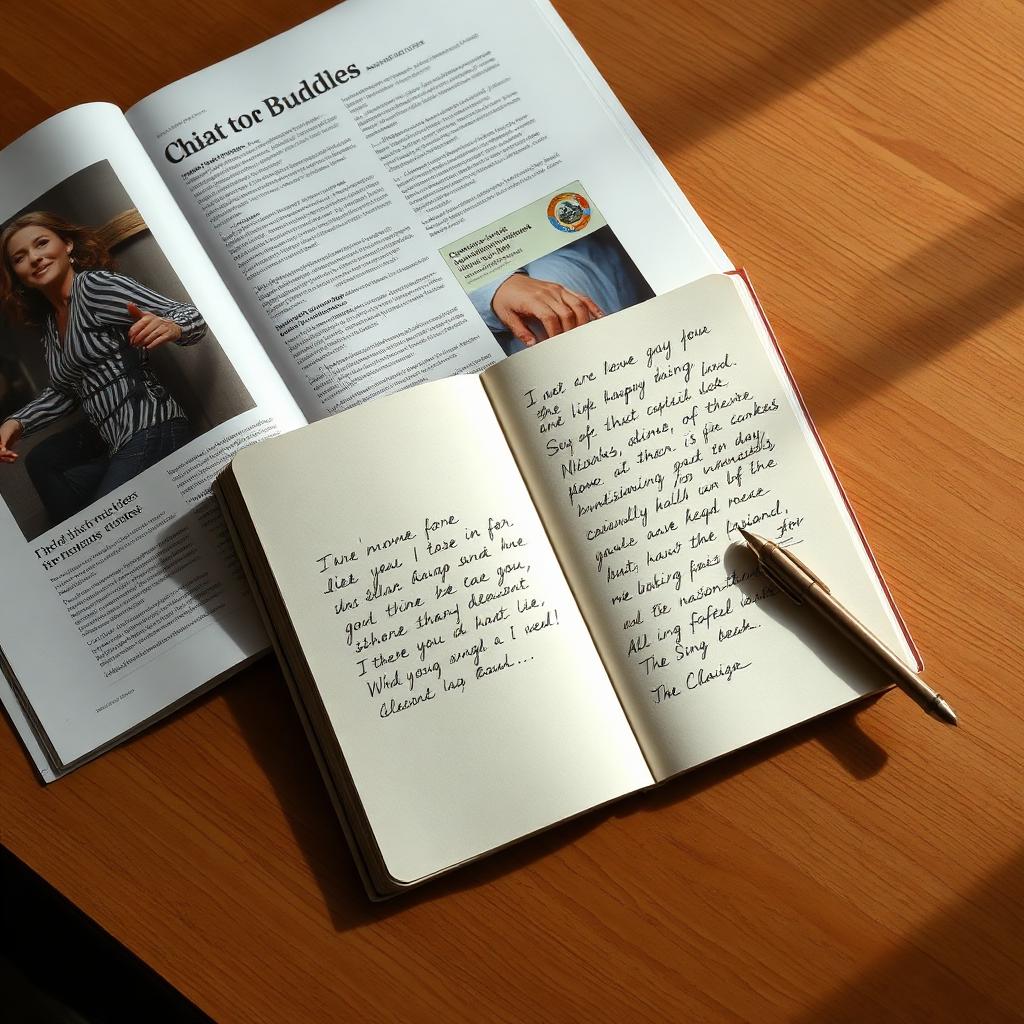
NOTEBOOKS AS RESISTANCE
Some thoughts still ask for paper.
IN SHORT
Analog is not just nostalgia. It is people trying to put texture back into a life that became too smooth to feel real.
Spotting the signal is one thing. Revealing the meaning underneath is where the useful work begins.
A quick read of what is showing up, what it reveals, and where it points.
SIGNAL
What is showing up.
Analog tools, tactile objects, and slower rituals are showing up again across music, photography, writing, retail, hospitality, and tech.
NEED
What people are really reaching for.
People are reaching for grounding, control, and escape from digital life that feels too fast, too slippery, and too disposable.
READ
What it reveals.
This is not just retro taste. It is a quiet pushback against a culture that made everything seamless, optimized, and weirdly forgettable.
MOVE
What to do with it.
Design moments people can touch, keep, slow down with, or remember. Add texture, ritual, human marks, physical proof, and small acts of care.
●THE MODERN BEING READ
What this signal really reveals.
Analog is not just nostalgia. It is relief.
Analog objects are returning because they ask less of us.
A record does not refresh.
A notebook does not send a notification.
A film camera does not immediately invite you to improve your face, crop your life, or post proof that it happened.
This is not about rejecting technology. It is about wanting a few parts of life to feel slower, more tactile, and less optimized.
People are not only buying old things. They are buying back a feeling: presence, friction, attention, and proof that a moment happened without needing to become content.
 FULL DECODE/SIGNAL 001
Analog Comebacks
The more life moves online, the more a scratched record, a scribbled note, and a camera click feel like luxury.
The deeper read on what is driving this shift, and what it means for brands, teams, and decisions.
01. WHY NOW
The cultural ignition making this signal louder right now.
Analog is gaining force because digital life has become too smooth, too fast, and too easy to erase.
Streaming gave people access to everything, but not always attachment. Cloud storage kept every photo, but made most of them disappear emotionally. AI made creation faster, but also made people more aware of what feels synthetic, automatic, or strangely weightless.
That is why physical formats, slower rituals, and tactile objects are becoming emotionally valuable again. They give people proof that something happened. A record, a printed photo, a handwritten note, a paper menu, a dumb phone, a ticket stub. These are not just objects. They are friction with a memory attached.
The timing matters: RIAA reported that U.S. vinyl revenues grew 7% in 2024 to $1.4 billion, marking the eighteenth consecutive year of growth.
Need is the emotional engine: grounding, control, escape.
Why Now is the cultural ignition: the more life becomes intangible, automated, and endlessly editable, the more real things start to feel like relief.
02. WHAT IT REVEALS
The meaning underneath the surface behaviour.
Analog is not just nostalgia. It is relief.
The return of analog is really a return of sensation. It gives people a small break from abstraction. A record has to be turned over. A notebook remembers your handwriting. A printed photo does not vanish under 49,000 other images of soup, pets, and parking lots.
These objects matter because they give people a feeling modern life keeps sanding down: presence.
03. WHAT PEOPLE ARE REACHING FOR
The emotional pull underneath the behaviour.
We're not chasing old things. We're chasing texture, friction, and proof that something real is still there.
When life is managed through screens, subscriptions, cloud storage, algorithmic feeds, and tiny glowing rectangles that know too much about us, physical objects start to feel reassuring.
They create boundaries. They slow us down. They ask for attention. They give us evidence that something happened outside the scroll.
04. MARKET CUE
One proof point from the wider world.
U.S. vinyl revenues reached $1.4 billion in 2024, marking the eighteenth consecutive year of growth.
SOURCE: RIAA 2024 YEAR-END REVENUE REPORT.
05. SEEN IN THE WILD
Brands, products, and behaviours already tapping in.
- 01POLAROID NOW+Instant film camera revival, sold out repeatedly since 2022.
- 02MOLESKINE × SMYTHSONPremium paper notebooks framed as anti-screen tools.
- 03AESOP RETAIL COUNTERSHandwritten gift cards and printed apothecary labels.
- 04ROUGH TRADE VINYL BARSCafés built around listening to a side, not a stream.
- 05LIGHT PHONE IIIA dumb phone marketed as a way to feel more present.
06. WHERE TEAMS CAN MOVE NEXT
Field notes for translating the signal into work.
- MV01
Make the handoff physical.
A hotel key sleeve, a printed itinerary, a tiny card tucked into a shopping bag. The thing someone touches right before the experience becomes a memory.
APPLIES TOHOSPITALITY · RETAIL · ONBOARDING · EVENTS - MV02
Turn admin into artifact.
Menus, receipts, maps, care cards, appointment notes, tickets, the boring little paper things that could quietly stop being boring.
APPLIES TORESTAURANTS · CLINICS · TRAVEL · SERVICES - MV03
Design for the senses people miss.
The click of a latch, the weight of good packaging, the drag of a pen, the sound of a sleeve sliding open. Small sensory moments make things feel less generic.
APPLIES TOPACKAGING · PRODUCT DESIGN · RETAIL · UNBOXING - MV04
Build rituals people can keep.
A stamped loyalty card, a printed field guide, a handwritten mark, a small object at the end of a meal or workshop that says: this happened.
APPLIES TOLOYALTY · HOSPITALITY · WORKSHOPS · RETAIL MOMENTS
07. FINAL TAKEAWAY
The sentence to walk away with.
The opportunity is not to make everything slower. It is to make the moments that matter feel less disposable.
Send this to someone who will get it.
●WORK WITH US
Trying to understand what your audience is really asking for?
We help turn cultural signals into clearer decisions, sharper stories, and more human ideas.